
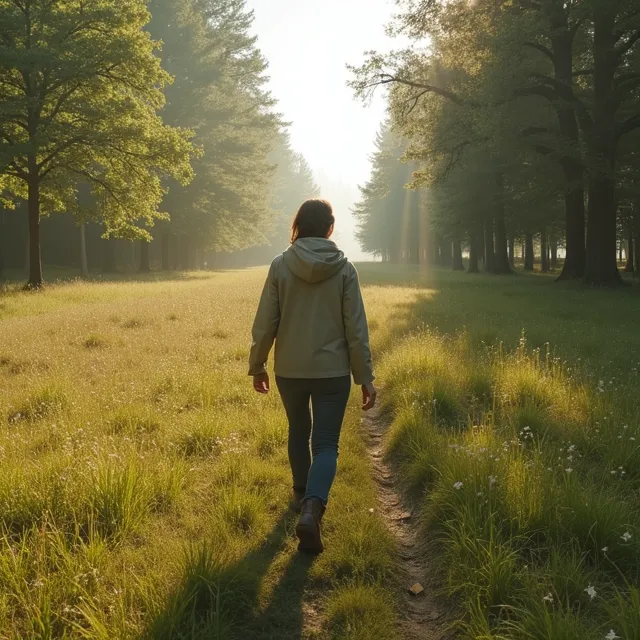
Connecting with Nature: The Therapeutic Benefits of the Outdoors
The healing power of nature is well-documented, yet many of us spend too little time outdoors. This article explores the scientific evidence behind the therapeutic benefits of connecting with nature, from ‘forest bathing’ (Shinrin-yoku) to simply spending time in a park. We discuss how exposure to green spaces can lower blood pressure, reduce anxiety, improve mood, and boost creativity. Discover practical ways to incorporate more nature into your daily life, fostering a deeper sense of peace and well-being.
Why Time Outdoors Matters
Most adults now spend the majority of their waking hours indoors: at a desk, in a car, in front of a screen. Researchers in public health, psychology and urban planning have spent decades looking at what this shift means for us, and the findings point in a consistent direction. Regular contact with natural settings is linked to lower stress, better mood and a greater sense of restoration.
None of this requires a remote wilderness. Much of the research looks at ordinary places: city parks, tree-lined streets, gardens and waterfronts.
What the Research Suggests
Forest Bathing (Shinrin-yoku)
Shinrin-yoku is a Japanese practice that translates roughly as “taking in the forest atmosphere.” It is not hiking or exercise in the usual sense. The idea is to walk slowly, pay attention to what you see, hear and smell, and let the setting hold your attention without effort.
Studies of forest bathing have looked at markers such as heart rate, blood pressure and stress hormones, and many report calmer readings after time among trees compared with time in urban settings. People also tend to describe feeling more relaxed and less tense afterwards.
Blood Pressure and the Stress Response
When we are under pressure, the body’s stress response raises heart rate and blood pressure. Natural settings appear to help the body shift back toward a resting state. This is one reason a short walk in a park often feels like a reset after a demanding morning.
If you have high blood pressure or another heart condition, time outdoors is a healthy habit, but it is not a replacement for medical care. Talk to a qualified professional about managing it.
Anxiety and Mood
Green spaces are associated with lower levels of rumination, the repetitive negative thinking that often comes with anxiety and low mood. Being outside also tends to bring other helpful things with it: daylight, movement, and often a conversation with someone else.
For persistent anxiety or depression, nature can be a useful support alongside professional care, not a substitute for it.
Creativity and Attention
Directed attention, the kind we use to answer emails or solve problems, gets tired with use. Natural environments engage attention in a softer, effortless way, which may give that focused capacity a chance to recover. Many people find they return from a walk outside with a clearer head and new ideas for a problem they were stuck on.
Practical Ways to Bring Nature Into Your Day
You do not need a free weekend or a mountain trail. Small, regular doses add up.
At Home
- Spend your first coffee of the day by a window or on a balcony
- Keep a few houseplants where you work and rest
- Grow herbs or vegetables, even in a small pot
- Open the windows when the weather allows and listen to what is outside
During the Workday
- Take phone calls on a walk instead of at your desk
- Eat lunch outside, even for fifteen minutes
- Choose a route to work or to meetings that passes through a park or along trees
- Hold an occasional one-to-one meeting as a walking meeting
On Weekends
- Visit a local park, beach or nature reserve without a fixed plan
- Try a slow walk in the spirit of forest bathing: no headphones, no step count, just attention
- Join a community gardening project or a group walk
- Leave your phone in your pocket and notice five things you can see, hear or smell
Making It a Habit
The benefits of nature seem to build with regular exposure rather than rare, long trips. A few practical tips:
- Schedule it. Put a short outdoor break in your calendar the same way you would a meeting.
- Pair it with something you already do. Walk to buy groceries, or take the stairs and step outside between tasks.
- Lower the bar. Ten minutes on a bench counts. Waiting for perfect weather or a free afternoon usually means it does not happen.
- Bring others. Family walks and outdoor time with friends make the habit easier to keep.
What This Means for Workplaces
For employers and HR teams, access to nature is one of the simpler, lower-cost levers for supporting wellbeing at work. Some ideas organizations use:
- Making outdoor areas, rooftops or nearby parks easy and acceptable to use during the day
- Bringing plants and natural light into office spaces where possible
- Encouraging walking meetings and protected lunch breaks away from desks
- Organizing optional outdoor activities such as group walks or volunteer days in green spaces
The goal is not another program on the calendar. It is a culture where stepping outside for a short break is seen as normal and useful, not as time away from work.
Conclusion
Spending time in nature is one of the most accessible habits for supporting mental clarity, lowering stress and lifting mood. Whether it is a slow walk among trees, lunch in a park or a few plants on your desk, small and regular contact with the natural world can make a real difference to how you feel day to day.
About the Author
AlternaBe Group is a writer and expert in health and technology.
Related Articles

Maximizing ROI with Employee Wellness Program Benefits
A practical guide for HR teams on designing an employee wellness program around clear goals, setting a baseline, and measuring returns in a way leadership can trust.
Mindfulness Practices in the Digital Age: Embracing Digital Mindfulness Practices
Practical ways to live with technology more mindfully, from managing notifications and protecting attention to setting clear boundaries and using digital tools to support a steady practice.

Future Online Wellness Trends: What to Expect in 2026
The directions shaping how wellness is delivered online in 2026, and what organizations, municipalities and investors should watch when evaluating digital wellbeing programs.